Reliable sample storage
ULT freezer biological and biochemical sample storage:
Ultra-low temperatures (ULTs), down to -86°C, provide an optimal environment for reliable storage to safeguard materials during clinical trials and scientific research.
ULTs effectively halt biological processes, prevents degradation and preserve the integrity of, e.g. DNA and RNA, Proteins and enzymes, Cell cultures & Tissues and organ samples. Without proper ULT storage, biological materials can rapidly degrade, compromising research outcomes and long-term studies.
Biochemical samples, such as enzymes, metabolites, and antibodies, are highly sensitive to temperature fluctuations. At ULTs, biochemical reactions are effectively halted, preserving the molecular structure and function of sensitive compounds. In addition, ULT storage inhibits the growth of bacteria, fungi, and other microorganisms that could contaminate or alter sample composition. Maintaining strict temperature control is essential for ensuring purity and reliability in applications such as: Drug development, Clinical research, pharmaceutical production, and Food safety testing. By minimizing degradation and preventing contamination, ULT storage significantly extends the shelf life of biological and biochemical samples.
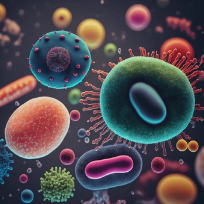
Bacterial sample storage with ULT freezers:
ULT storage is an essential technique for the long-term preservation of bacterial samples. By freezing bacterial strains at temperatures as low as -86°C, researchers can maintain genetic integrity, prevent contamination, and ensure the viability of bacterial cultures for future use. ULTs effectively halt bacterial metabolic activity, preserving the viability of bacterial strains without the need for continuous culturing. This allows researchers to store bacterial cultures for extended periods without significant loss of function.